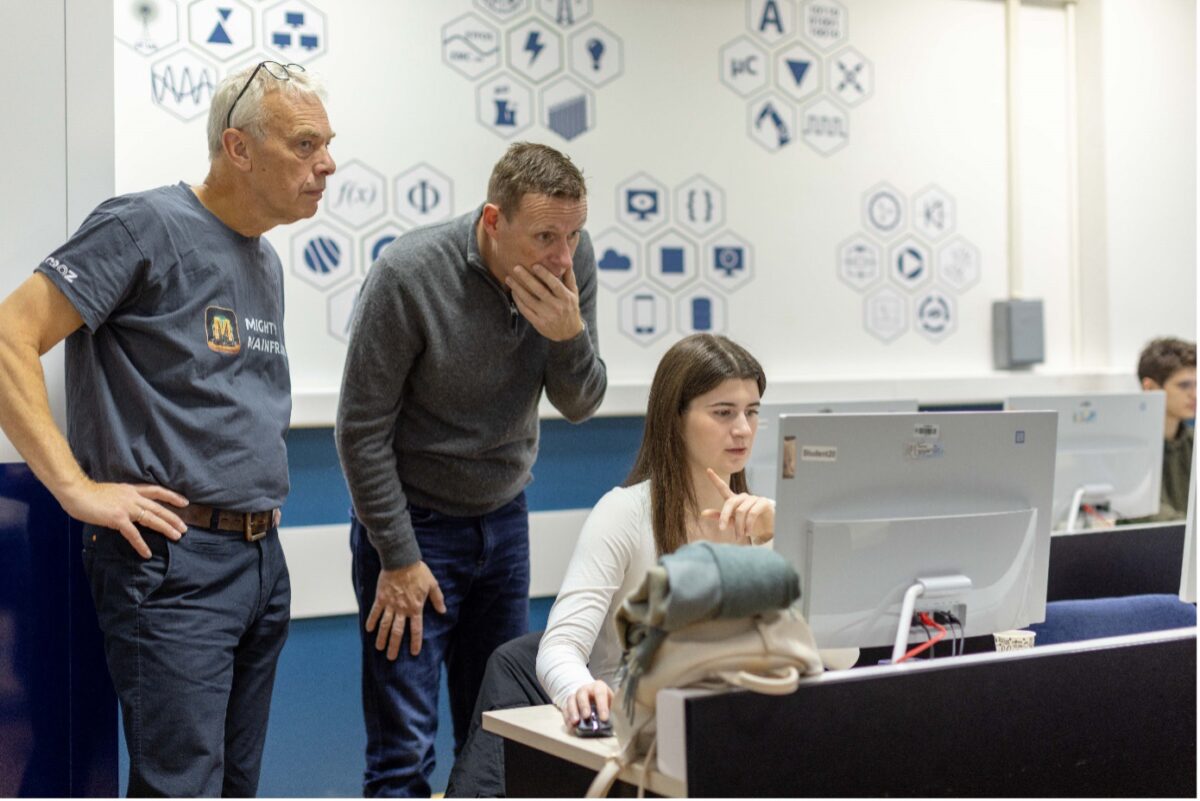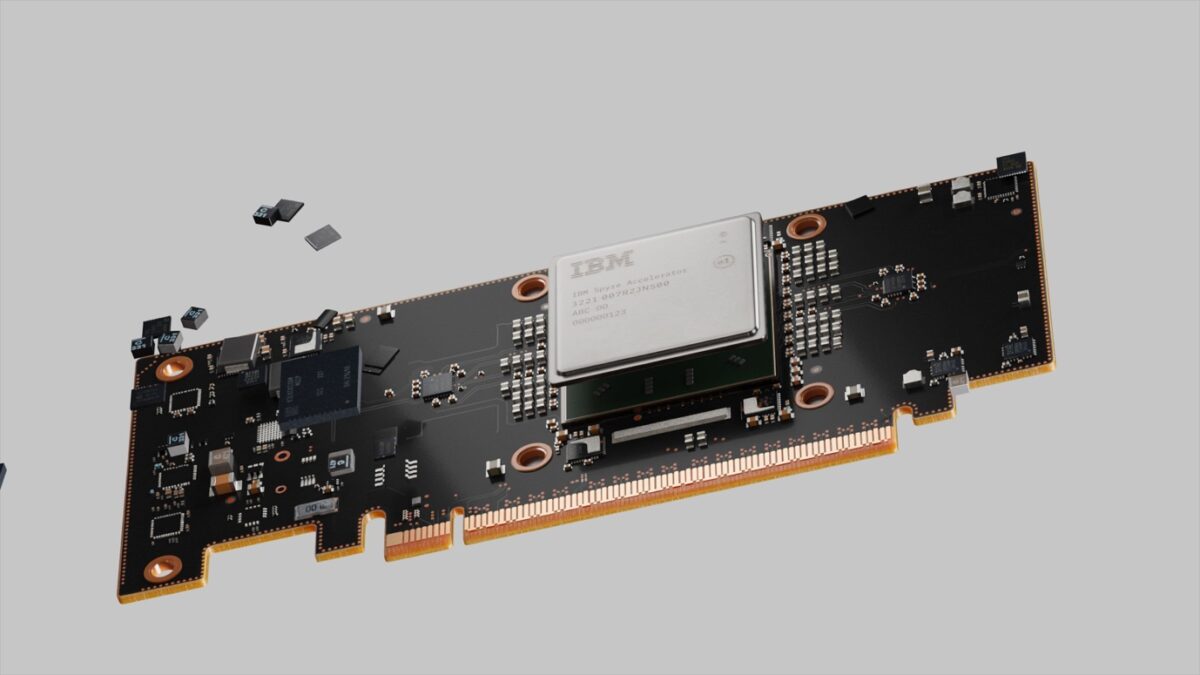
Welcome to the Era of AI Acceleration for the Mainframe
28. listopada 2025.
Nova vještina u sklopu FERIT Mainframe Akademije: COBOL PROGRAMIRANJE
10. veljače 2026.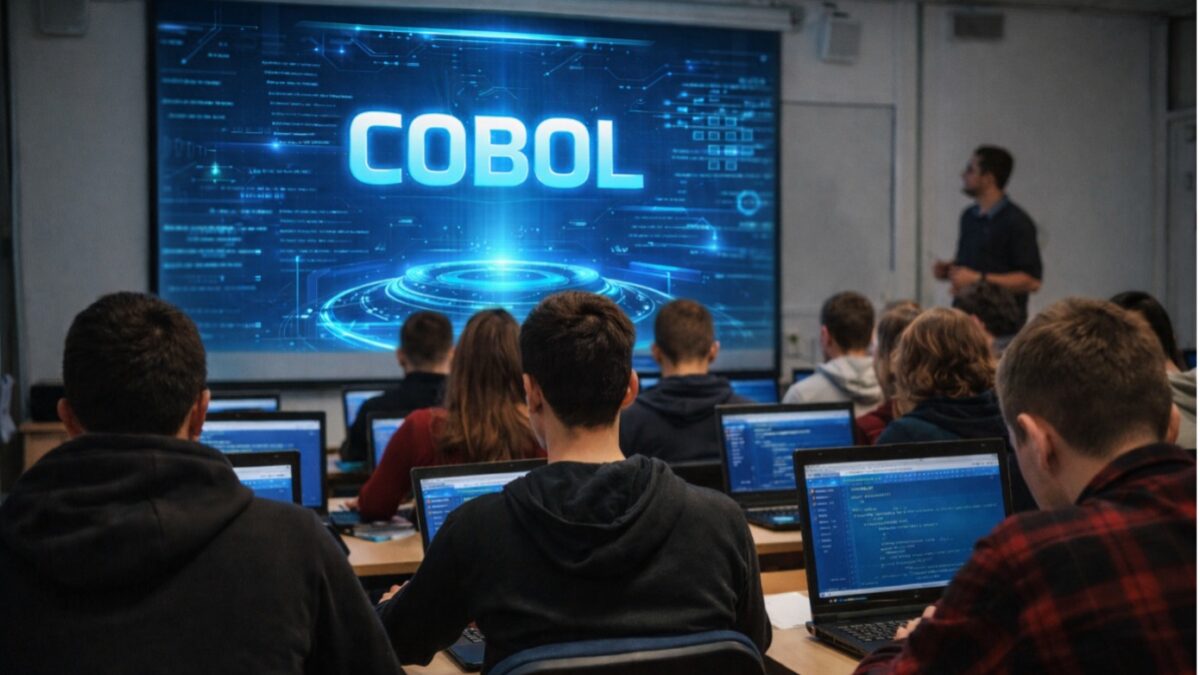
In a world where new programming languages and technologies appear every day, it is easy to get the impression that “old” skills have lost their value. COBOL, however, is the best proof of the opposite. For decades, this programming language has been the backbone of information systems in banking, insurance, public administration, and large industrial organizations—and it remains irreplaceable in many critical environments.
COBOL as part of modern education
Through initiatives such as the TEACHing program and the FERIT Mainframe Academy, the focus is on connecting academic knowledge with real industry needs. In this context, COBOL is not a relic of the past, but a practical skill that opens the door for students and young engineers to specific, highly responsible, and well-paid roles.
Learning COBOL does not mean giving up modern technologies—quite the contrary. Working on legacy systems often involves integration with new platforms, databases, and web services, which requires a broad understanding of information systems.
Why is COBOL still important today?
A large portion of global transactions is executed daily on systems developed in COBOL. These systems are stable, reliable, and deeply integrated into organizations’ business processes. Replacing them is often risky and extremely expensive, which is why organizations instead seek experts who know how to maintain, upgrade, and understand existing solutions.
This is where COBOL knowledge becomes a strategic advantage. Demand for such experts is stable and often exceeds supply, making this skill highly valuable on the job market.
Who is COBOL knowledge intended for?
Requirements for enrolling in the skill:
- No significant or highly specialized prior knowledge is required; basic knowledge of computer technology, basic programming concepts, and fundamentals of relational databases are sufficient.
- Knowledge of IBM mainframe technology is an advantage, so the skill is recommended for students who have already completed or plan to enroll this year in Fundamentals of Mainframe Technology.
- Successful completion of the skill provides a foundation for further practice and professional development; the best students will be offered internships at CROZ (Zagreb) and INTHEOS (Osijek).
With proper mentorship and practical examples, COBOL can be mastered as a strong addition to existing programming knowledge. The program will be delivered by experts from CROZ from Croatia and Germany. We highlight the key mentors and lecturers:
- Armin Kramer is an IBM Champion, mainframe evangelist, and architect with over 20 years of experience in COBOL programming. He is currently Head of Mainframe at CROZ and a prominent speaker on mainframe modernization, with a focus on DevOps/DevSecOps and the modernization of mainframe development environments.
- Philipp Kremling is an IBM Champion and one of 27 recognized IBM Today’s Architects (young mainframe experts). At CROZ, he works as a mainframe modernization expert, primarily focusing on COBOL and Java programming, DevOps/DevSecOps technologies, and the application of AI in the development process.
Armin and Philipp will deliver lectures and consultations in English, while experts from CROZ (Zagreb) and INTHEOS (Osijek) will teach in Croatian.
The total duration of the program is 30 academic hours, consisting of 10 sessions/modules of 3 academic hours each. In addition to core lectures, students will have access to additional Interskill and IBM training opportunities, practical assignments, and more. Special care will be taken to ensure that the program does not overburden students during exam periods and other intensive parts of the semester.
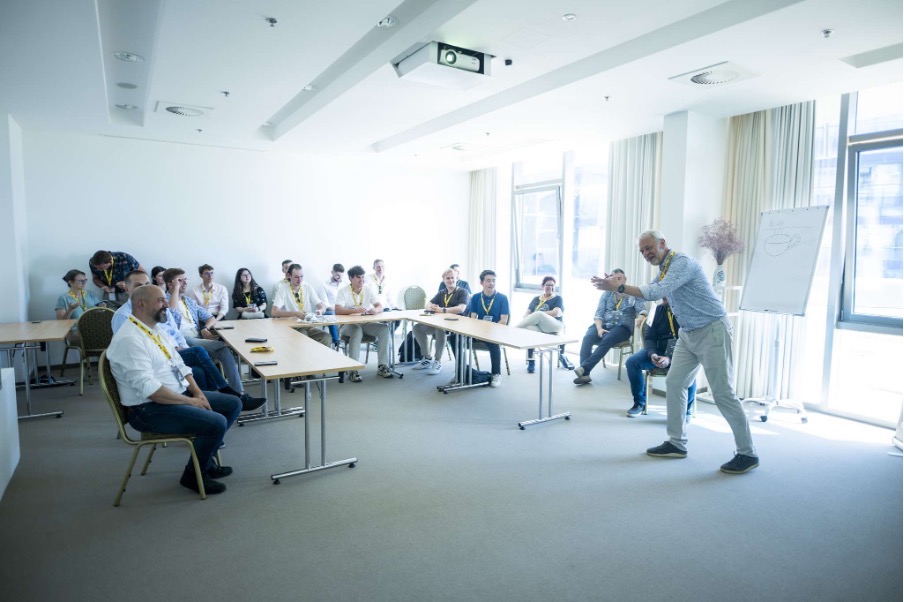
What does the COBOL skill include?
The COBOL skill is structured into clearly defined modules that enable participants to gradually and practically acquire knowledge, with a strong focus on real systems used in industry.
Learning outcomes are oriented toward practical, applicable knowledge. After completing the program, participants:
- understand the architecture and purpose of COBOL systems,
- have foundational knowledge required to read, analyze, and modify existing COBOL code,
- have a solid basis for further practice and professional development,
- develop a broader understanding of the connection between technology and business processes,
- gain market-relevant IBM and Interskill certifications.
The skill is tailored to students and young professionals—it is comprehensive enough to ensure a solid understanding of the language and environment, yet focused on what is most commonly used in practice. This approach ensures that COBOL is not an isolated skill, but part of a well-rounded engineering profile.
Topics covered
The program is organized into thematic units distributed across sessions, with each session building on previously acquired knowledge and leading toward an understanding of real-world COBOL systems.
- Introductory sessions focus on becoming familiar with COBOL, its history, areas of application, and the basics of syntax and program structure.
- The central part of the program focuses on working with data, files, and business logic—the components that form the core of most production COBOL applications.
- The final part connects COBOL with modern environments, emphasizing integration with other systems and the importance of understanding the broader business context.
The topics are distributed across 10 modules, allowing participants to continuously build confidence in working with COBOL and gain a sense of what working on real industrial systems looks like:
- Fundamentals of z/OS, and the history and basics of COBOL
- Program Structure and Identification/Environment Divisions
- Data Division Fundamentals
- Basic Operations and Arithmetic
- Control Structures and Program Flow
- File Processing and Sequential Access
- SQL Processing and Database Access
- Tables, Arrays, and Advanced Data Structures
- Subprograms, Modules, and Integration
- Advanced Topics and Enterprise Integration
Detailed information about the skill content can be found in the skills catalog on the FERIT TEACHing website.
Looking ahead
Although there is frequent talk of a “shortage of COBOL programmers,” the reality is that the need for this skill will continue for many years to come. Organizations are looking for people who understand both technology and business context—exactly the type of profile developed through programs that connect education, industry, and alumni.
COBOL may not be the loudest language of today, but it is one of the most influential. For those willing to invest the effort, it represents an opportunity for a stable, long-term, and professionally challenging career.
If you are interested in enrolling, fill out the SURVEY or apply directly via SKILL ENROLLMENT!